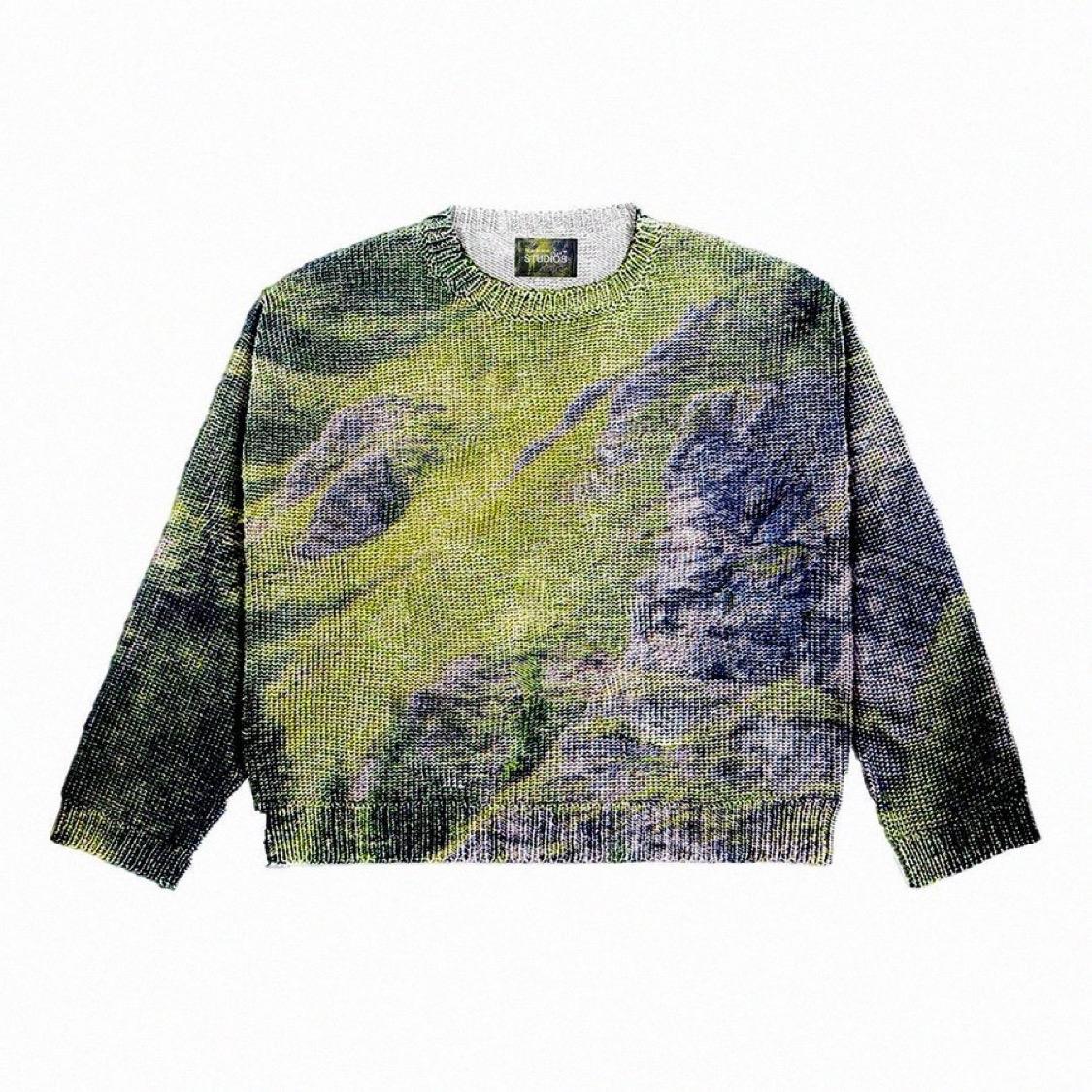
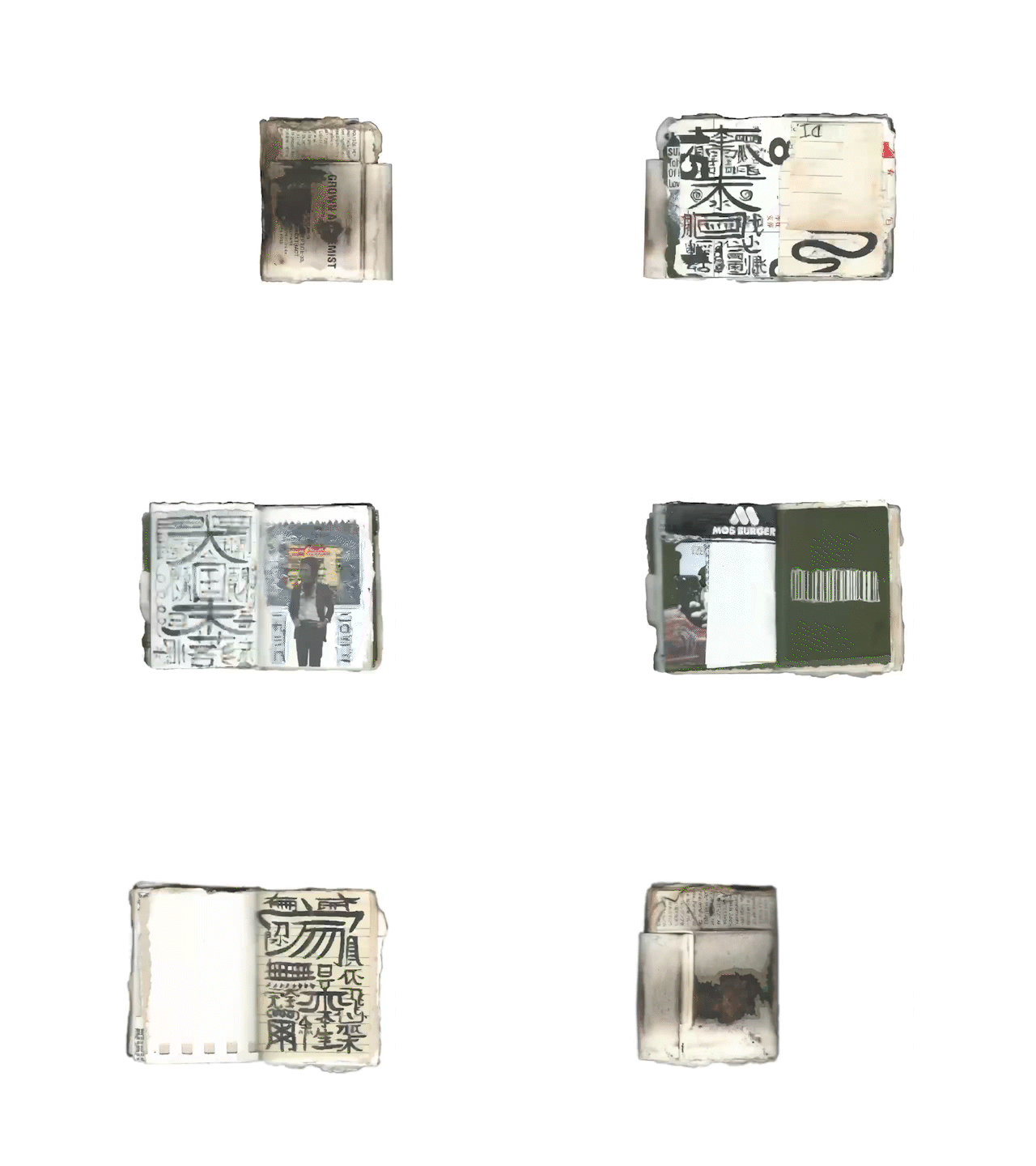
LOREMAXXING is the practice of collecting links, notes, files, embeds, and unfinished references until they become a public surface with a point of view.
Dawnpoint is the block system underneath it. You own the files, data, links, and private state behind the feed while the public page stays readable, remixable, and easy to share.
Public blocks, private state.
The public feed is the readable shape: cards, embeds, markdown, decks, tools, and custom blocks. The private side is the vault: drafts, env vars, API keys, working files, source manifests, and agent context that should not leak into the page.
That split is why a block can feel expressive without becoming fragile. Sources keep their native feel, but the system around them stays predictable.
Agents make the block system expandable.
Through the Dawnpoint MCP, Claude, OpenAI, Cursor, or any compatible agent can read the registry, create blocks, write artifacts, check entitlements, and publish the feed. The deterministic pieces stay deterministic: source metadata, block templates, privacy state, and publish requirements.
The custom pieces can still get weird when they need to. The default note should stay simple.